Sometimes even the most beautiful scenes in life cannot comfort the heart. The river continues to flow, flowers bloom on the trees, and the moon scatt
Read essay →10 August 2025 · Dr. Rajesh Takyar
The Importance of Pranayama — In Shri Krishna’s Words
Apane juhvati pranam praneyamapaanam tathapare.pranapanagati rudhva pranayamparayanah. 29 ॥
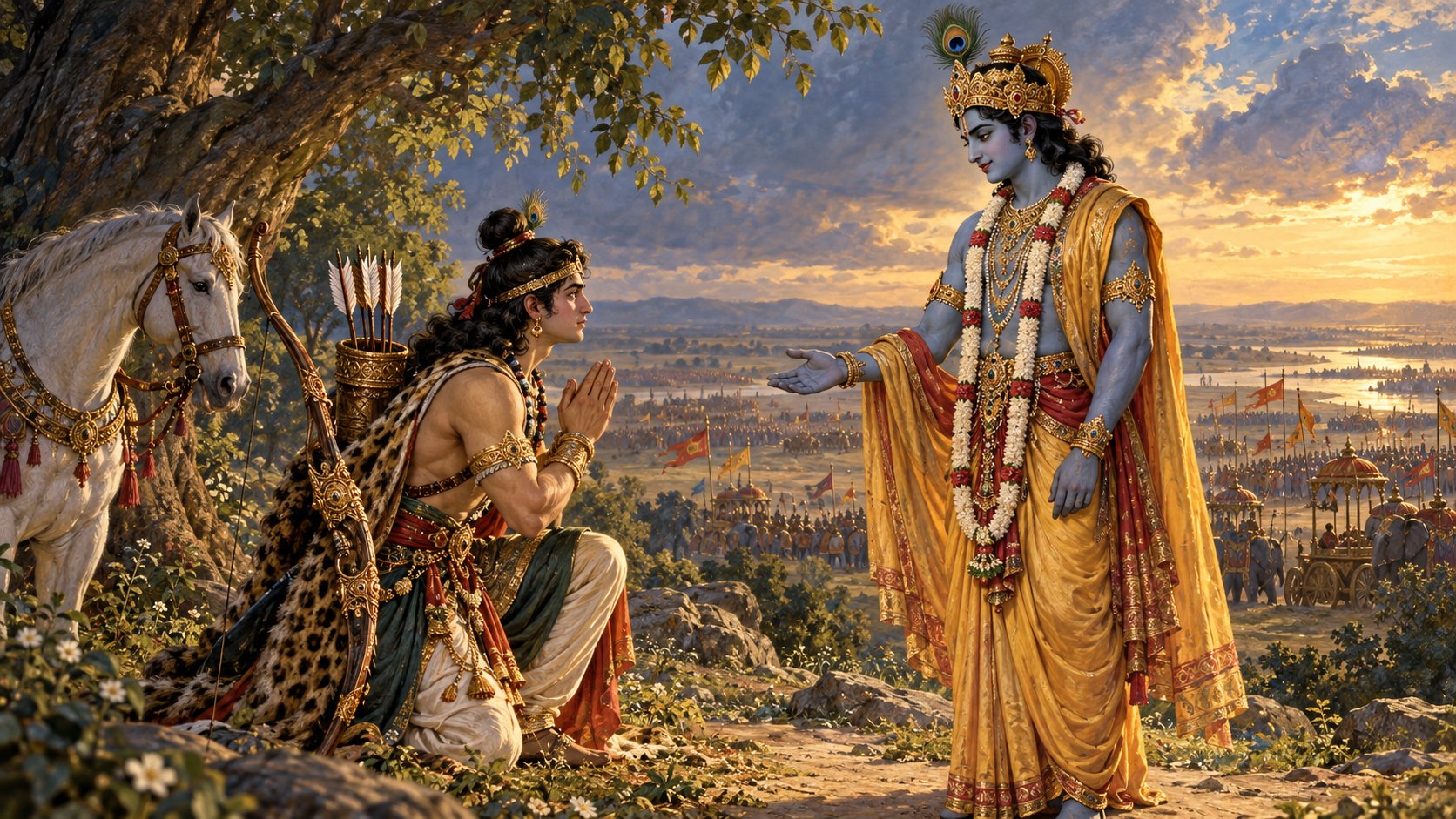
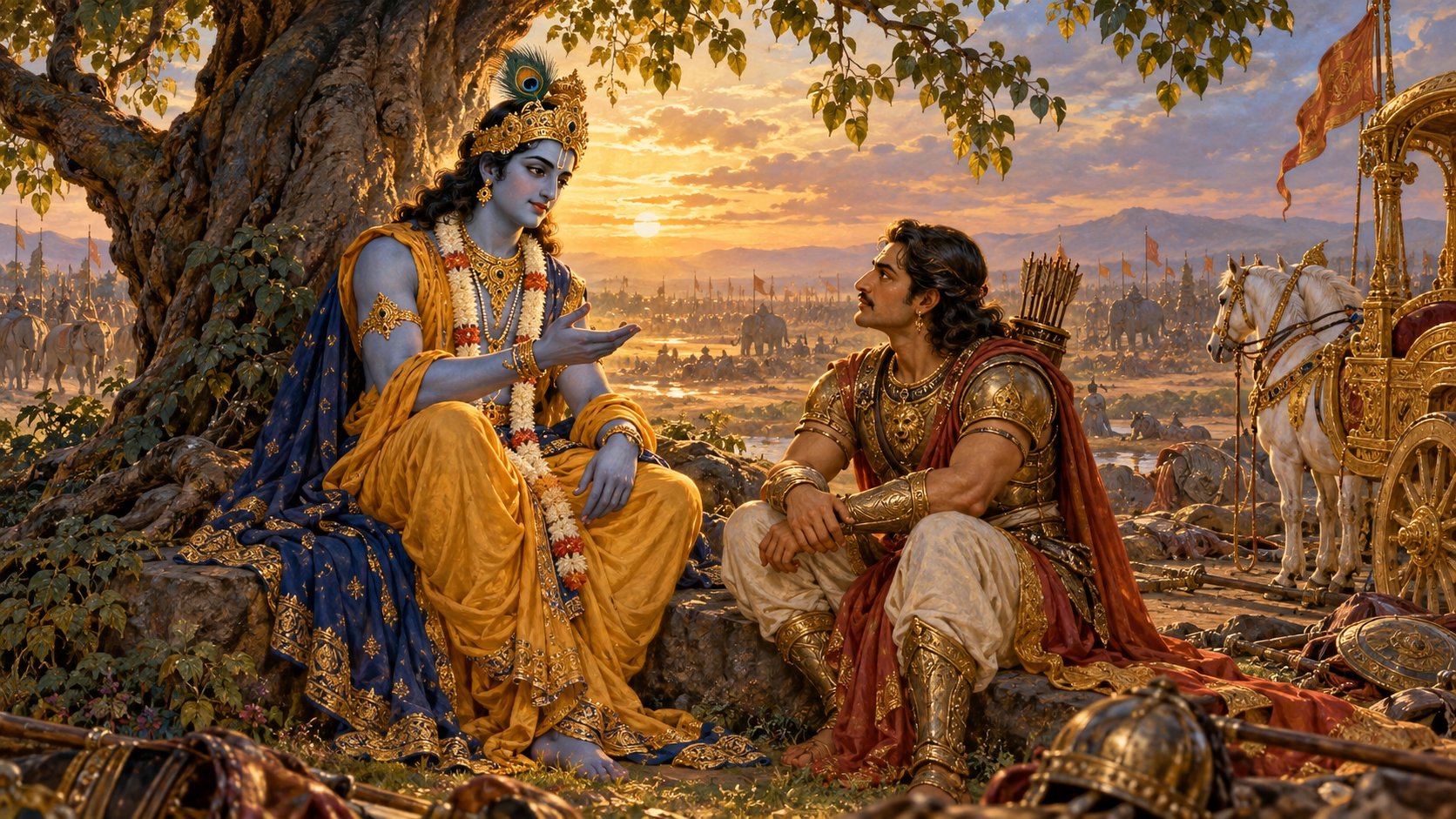
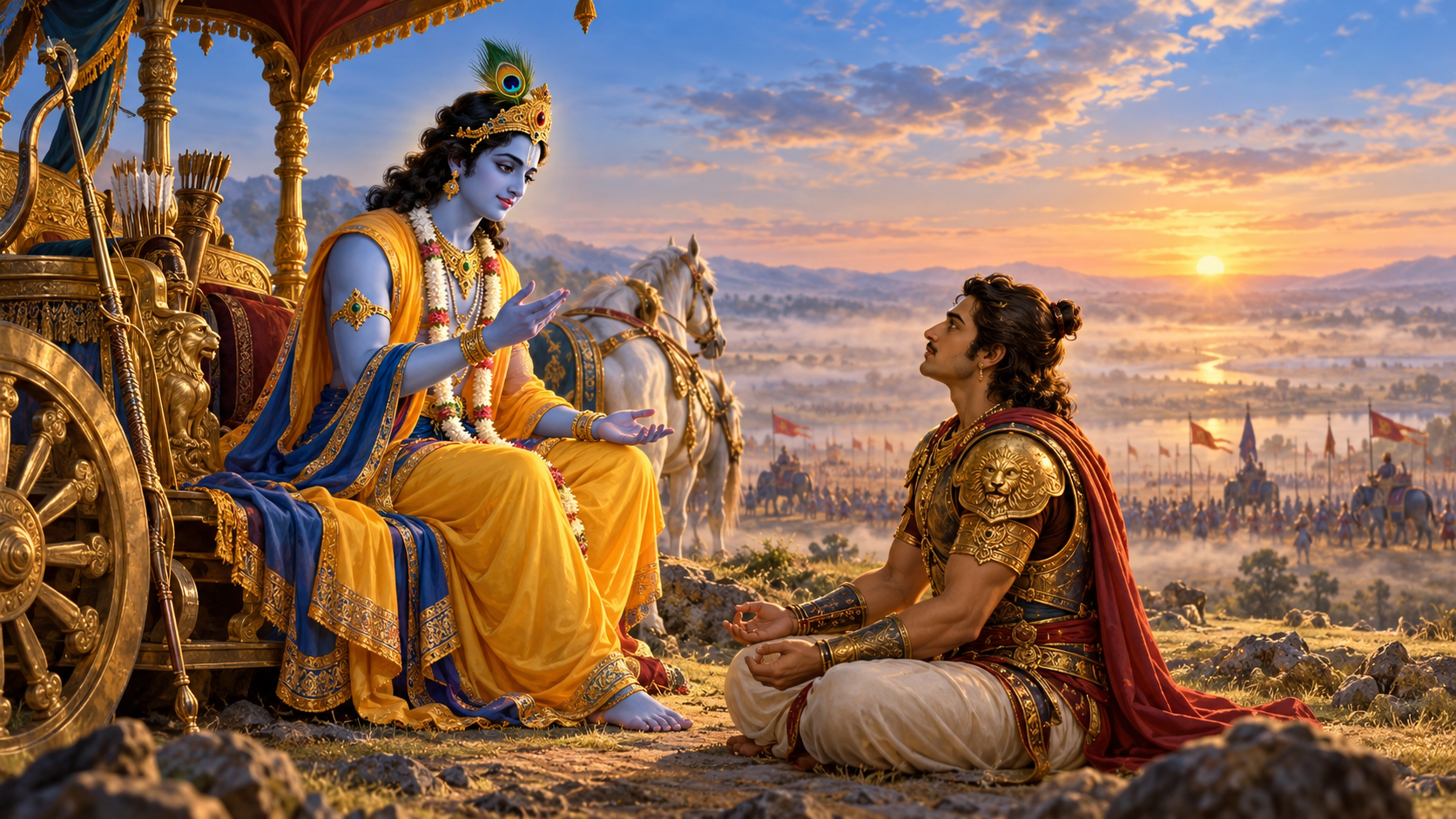
This is verse number 29 of Chapter Four of Srimad Bhagavad Gita. In this, Lord Shri Krishna is telling Arjun about Pranayam.
Among the four types of Yagya for Sadhana mentioned above in verse number 28, Pranayam has a big part in the third Yoga Yagya. Pranayama is a practice done by controlling breathing. Here in this verse, Lord Shri Krishna is explaining the specialty of breathing practice through Pranayam.
Some human beings engage in the practice of Pranayam by consciously stopping the movement of upward moving prana energy i.e. exhaled breath and downward moving prana energy i.e. exhaled breath, this is also a type of Yagya. In which man attains spiritual strength by controlling and controlling his life energy.
‘ That is, Pranayam is an important part of Yoga and Sadhana, which means, ‘Life' That means the life force which is our breath, and 'Dimensions’ i.e. control or extension. In simple words, Pranayama means controlling your breathing, giving it the right speed, rhythm and depth. Prana is the main source of energy in our body. When we breathe properly, more oxygen reaches the body and the blood gets purified, which has a positive effect on health, mind and soul. The simple method of doing Pranayama is to sit in a quiet and clean place. It is best to sit in Padmasana, Sukhasana or Vajrasana. First of all, one has to sit with the spine straight, eyes closed and the mind calm. First of all, take a normal breath, do apana and exhale, i.e. inhale prana, then slowly inhale deeply through the nose, consider it as a supplement, stop for a few moments, i.e. consider it as Kumbhaka and then slowly exhale out through the nose, which is considered as a laxative. Initially do it for 2-3 minutes and then gradually increase the time of this activity. It also includes methods like Anulom-Vilom, Kapalbhati, Bhramari, which give different benefits. Pranayama strengthens the lungs, improves blood circulation, improves digestion, reduces stress and anxiety, and induces deep sleep. Mentally, it stabilizes the mind, reduces irritability and increases concentration.
‘Pranapaangati rudhva pranayamparayanah’, From a spiritual point of view, pranayam gives inner peace to the practitioner, reduces the restlessness of the mind and helps in deepening meditation. When breathing is controlled, the mind automatically becomes calm, and this state is most suitable for sadhana. It not only keeps the body healthy but also increases spiritual strength. A person doing Pranayam accepts the circumstances coming in life with a balanced mind, about which Lord Shri Krishna has already explained. Through this the seeker gradually gains control over the senses and moves towards enlightenment. Correct use of Prana also keeps us away from diseases and awakens our mental and spiritual energy. The person who does Pranayama daily, feels a new freshness, strength and stability inside himself. It is an essential practice for one on the path of sadhana, as it not only prepares the body but also enables the mind to achieve higher levels of concentration and awareness. Regular exercise not only cures respiratory diseases but also helps in problems like heart disease, diabetes, and blood pressure. It activates the hidden energy within us and gives us a positive outlook. Thus, Pranayama brings health, peace and balance in every aspect of life and is also extremely helpful in spiritual progress, that is why Lord Krishna is explaining its importance to Arjuna here.
Patanjali Yoga Sutra 2.49 states:Tasmin sati shwasprasvasayorgativicchhedah pranayam:
Speed of inhalation and exhalation. Pranayama is to stop and control. Pranayama is the fourth of the eight limbs of yoga, described in the Patanjali Yoga Sutras. By the way, Patanjali has 195 sutras which are stated in four chapters. Its main objective is to control the tendencies of the mind. Yogaschittavrttinirodha That is, yoga means stopping the restlessness of the mind, so that the soul can be established in its true form. Prana means life force or the energy that keeps the body alive and Ayama means expansion, control or direction, this has been said earlier also. Thus, Pranayama means to control and balance the breathing, to awaken the energy flowing within us and to direct it in the right direction. It is not just a matter of physical exercise, but also shows the path of mental, moral and spiritual development. Gives clear guidance to go deeper into meditation and samadhi, this is what God is saying in this verse.
Breathing in our body is not just a process of taking in oxygen and taking out carbon dioxide. According to yoga philosophy, breath contains life energy i.e. life force, which gives strength to the body, mind and soul. If the breathing is fast, irregular and shallow, the mind also remains unstable and restless. Whereas, if the breathing is deep, regular and slow, the mind automatically becomes calm and concentrated. This is the reason why Lord Krishna is calling Pranayama the gateway to meditation and meditation and is giving so much importance to it.
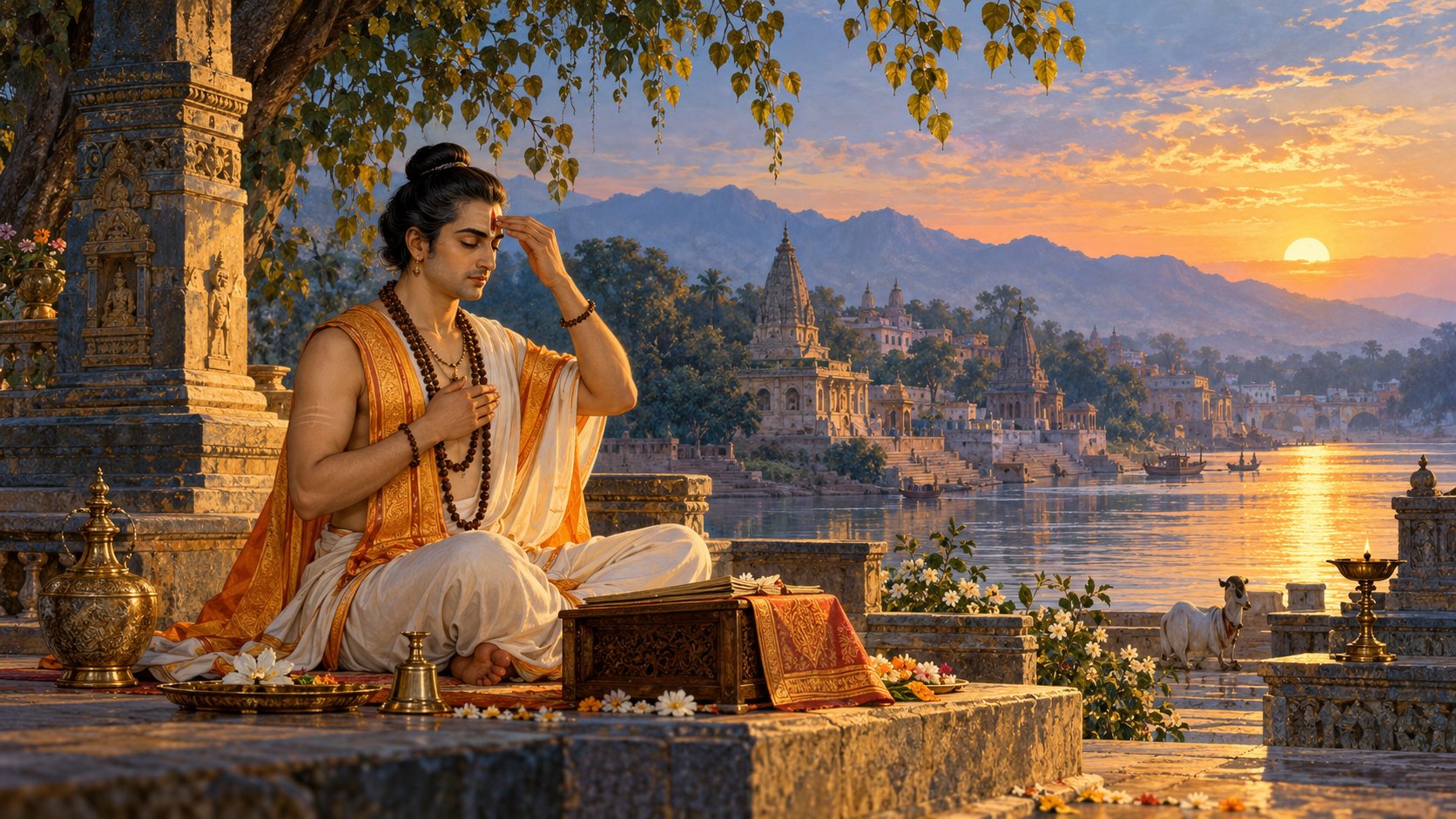
First of all, selection of place and time for Pranayam is more important. Because this pranayama gives quick benefits. The best time to do Pranayama is in the morning, when the environment is pure and fresh. For this, a quiet, airy and clean place should be selected and if possible, it should be done in an open space. You can use any sitting posture like Padmasana, Sukhasana or Vajrasana. In all these the spine should be kept straight and the neck straight. After closing the eyes lightly, leave the body loose. Now do some mental preparation, like inhale and exhale normally for a few moments. Focus on the comings and goings of your breath to bring your mind to the present. This is the most important part. Pranayama should always be done on an empty stomach or 3 hours after meals, gradually increase the time and intensity of practice, avoid inhaling and exhaling too forcefully, it can cause harm and most importantly, if someone has serious heart disease, high blood pressure or serious lung disease, then it should be done only after consulting a doctor.
Slowly take a deep breath in through the nose i.e. supplement. Hold the breath comfortably i.e. do Kumbhaka. Exhale slowly through the nose i.e. exhale. Duration should be 5 minutes initially and gradually increase to 15-20 minutes. Give separate time to other methods like Anulom-Vilom, Kapalbhati, Bhramari. Anulom-Vilom purifies the nerves and calms the mind. Kapalbhati cleans the lungs, is helpful in reducing belly fat, and is also beneficial in removing toxic elements from the body. This is done to reduce confusion, mental stress, anger and anxiety. Bhastrika can also be done, it is beneficial for increasing energy and vitality in the body. There are many physical benefits of doing Pranayama. Like lung capacity and respiratory system gets strengthened, blood gets purified and body gets adequate oxygen, health of digestive system, heart and brain improves, blood pressure and sugar level gets balanced and immune system gets strengthened. Pranayama also provides mental and emotional benefits. Stress, anxiety and depression are reduced, concentration and memory power are improved, anger and irritability are reduced and sleep becomes deep and restful. It also has spiritual benefits such as the restlessness of the mind decreases and meditation becomes deeper, control over the senses increases, connection with the soul is felt and the human being gradually becomes free from attachment and attachment. This is why Shri Krishna is saying that Pranayama is necessary for meditation and sadhana because unless the mind is stable and calm, there cannot be depth in meditation. By controlling the breath, prana is controlled, and when prana is controlled, the mind also gets controlled. It establishes balance between mind, body and soul.
There are many physical benefits of doing Pranayam. Like lung capacity and respiratory system gets strengthened, blood gets purified and body gets adequate oxygen, health of digestive system, heart and brain improves, blood pressure and sugar level gets balanced and immune system gets strengthened. Pranayama also provides mental and emotional benefits. Stress, anxiety and depression are reduced, concentration and memory power are improved, anger and irritability are reduced and sleep becomes deep and restful. It also has spiritual benefits such as the restlessness of the mind decreases and meditation becomes deeper, control over the senses increases, connection with the soul is felt and the human being gradually becomes free from attachment and attachment. This is why Shri Krishna is saying that Pranayama is necessary for meditation and sadhana because unless the mind is stable and calm, there cannot be depth in meditation. By controlling the breath, prana is controlled, and when prana is controlled, the mind also gets controlled. It establishes balance between mind, body and soul.
'Pranayama-Parayanah'Pranayama is not just an exercise but an art of living, that is why Lord Shri Krishna has given its secret here in Srimad Bhagavad Gita . It keeps the body healthy, stabilizes the mind and purifies the soul. It not only helps in achieving success in material life but also opens the path to spiritual progress. With regular practice, we can channelize our energy in the right direction and maintain balance, health and peace in life. Pranayam Yoga is a practice that purifies, balances and strengthens the body, mind and soul.
Pranayama is the main means of depth, self-power and balance of Yoga.
Shrimad Bhagavad Gita - Part 4 Excerpts from the book (Author Dr. Rajesh Takyar)
Was this essay helpful?