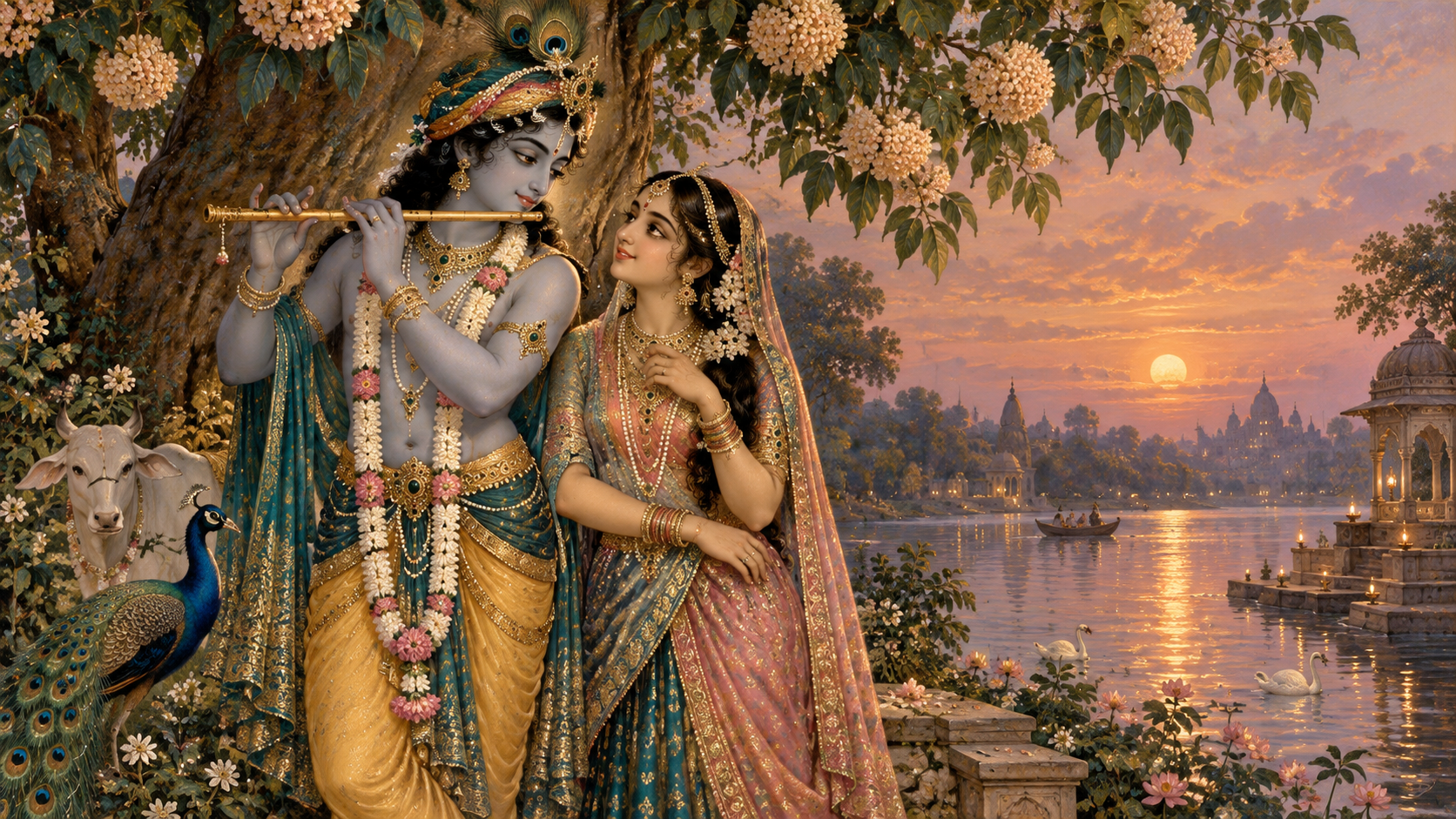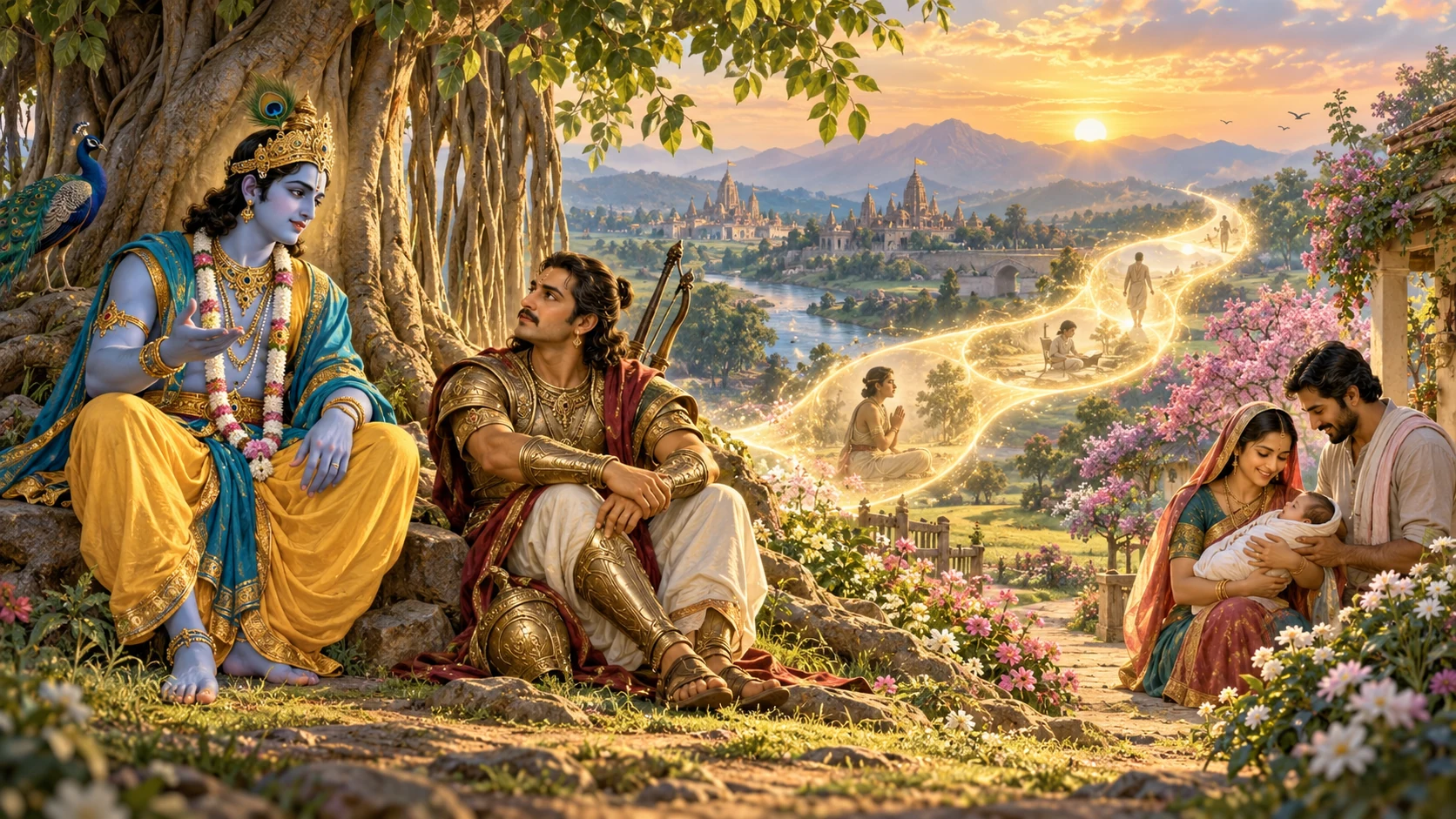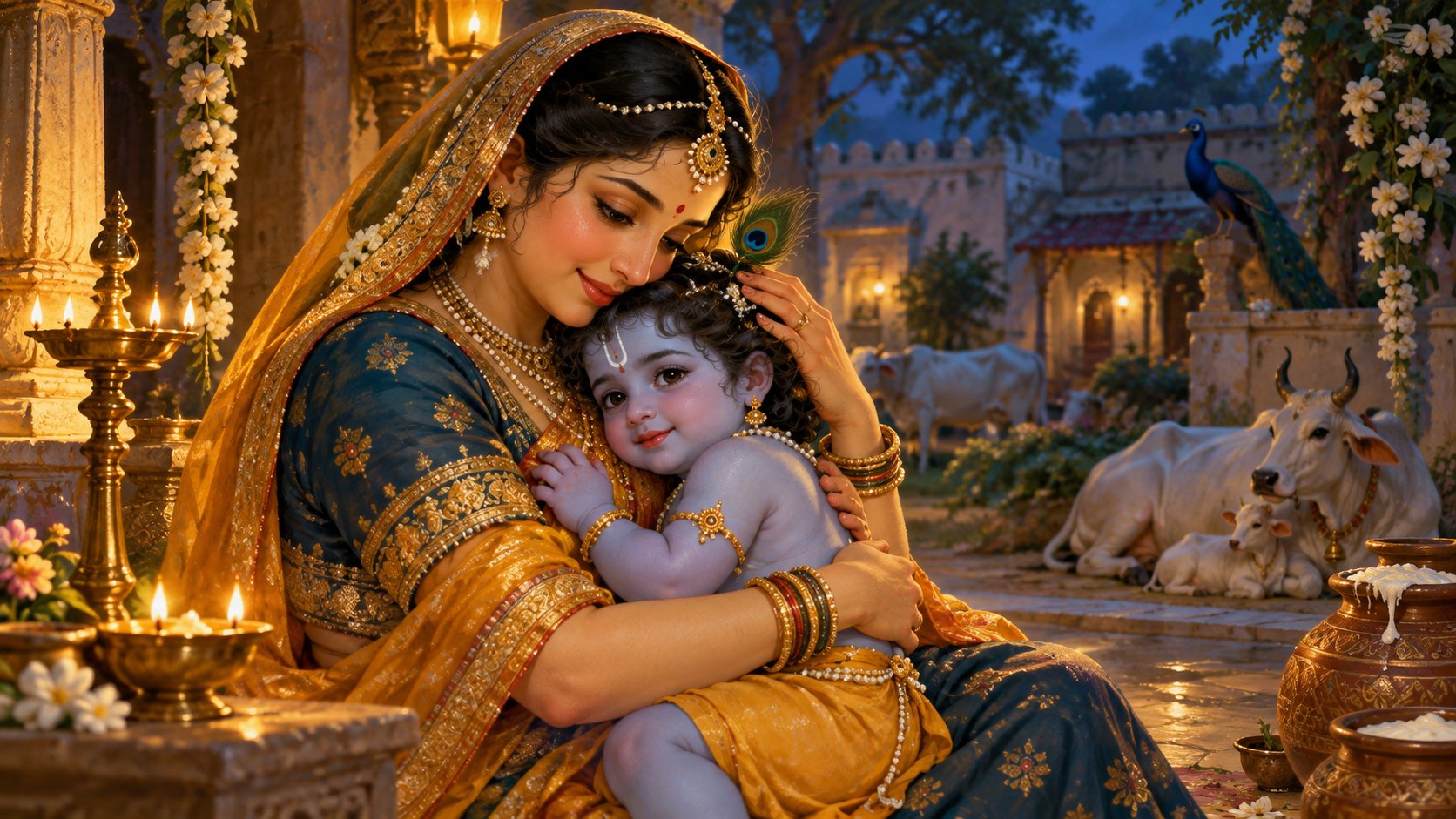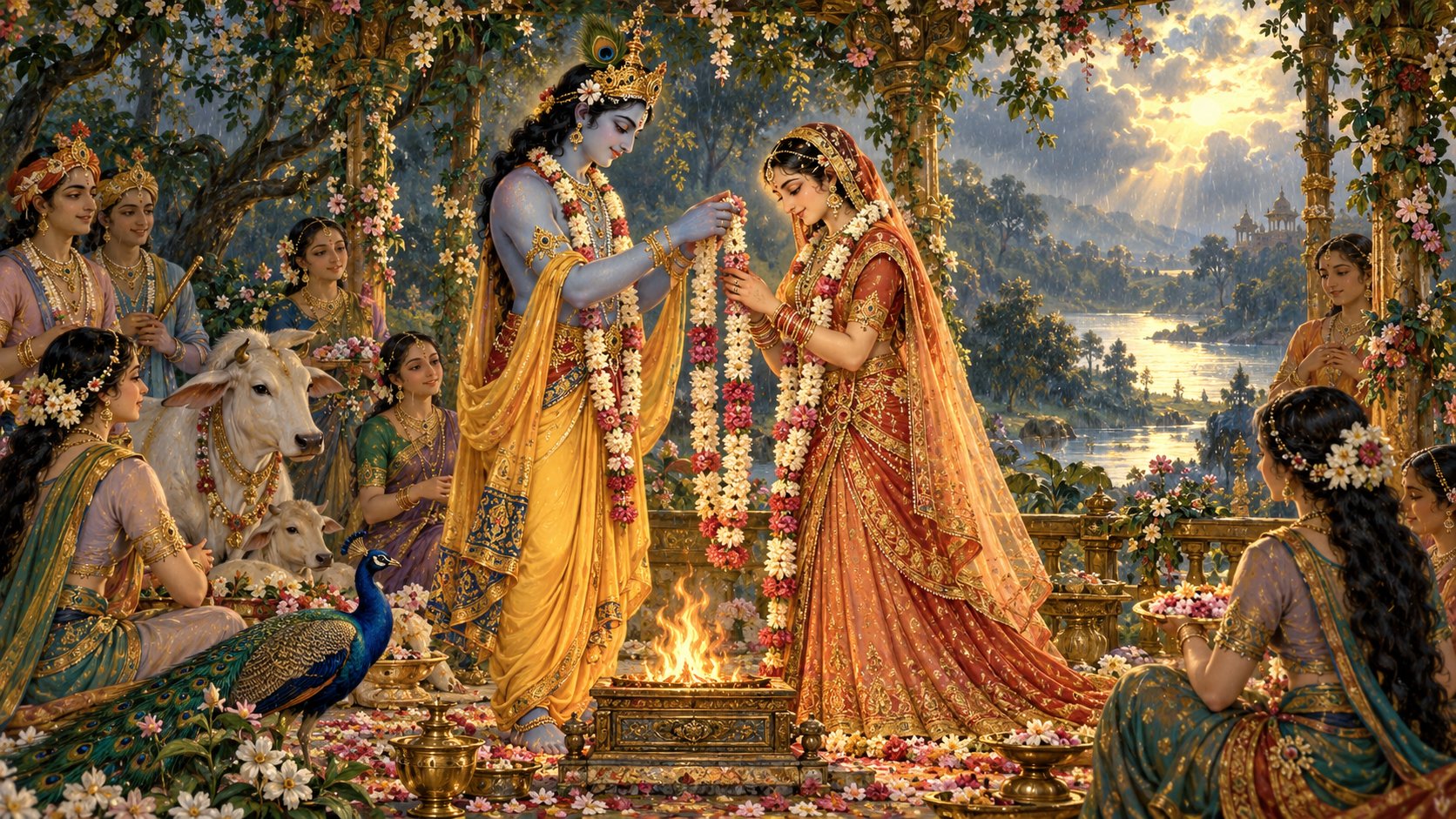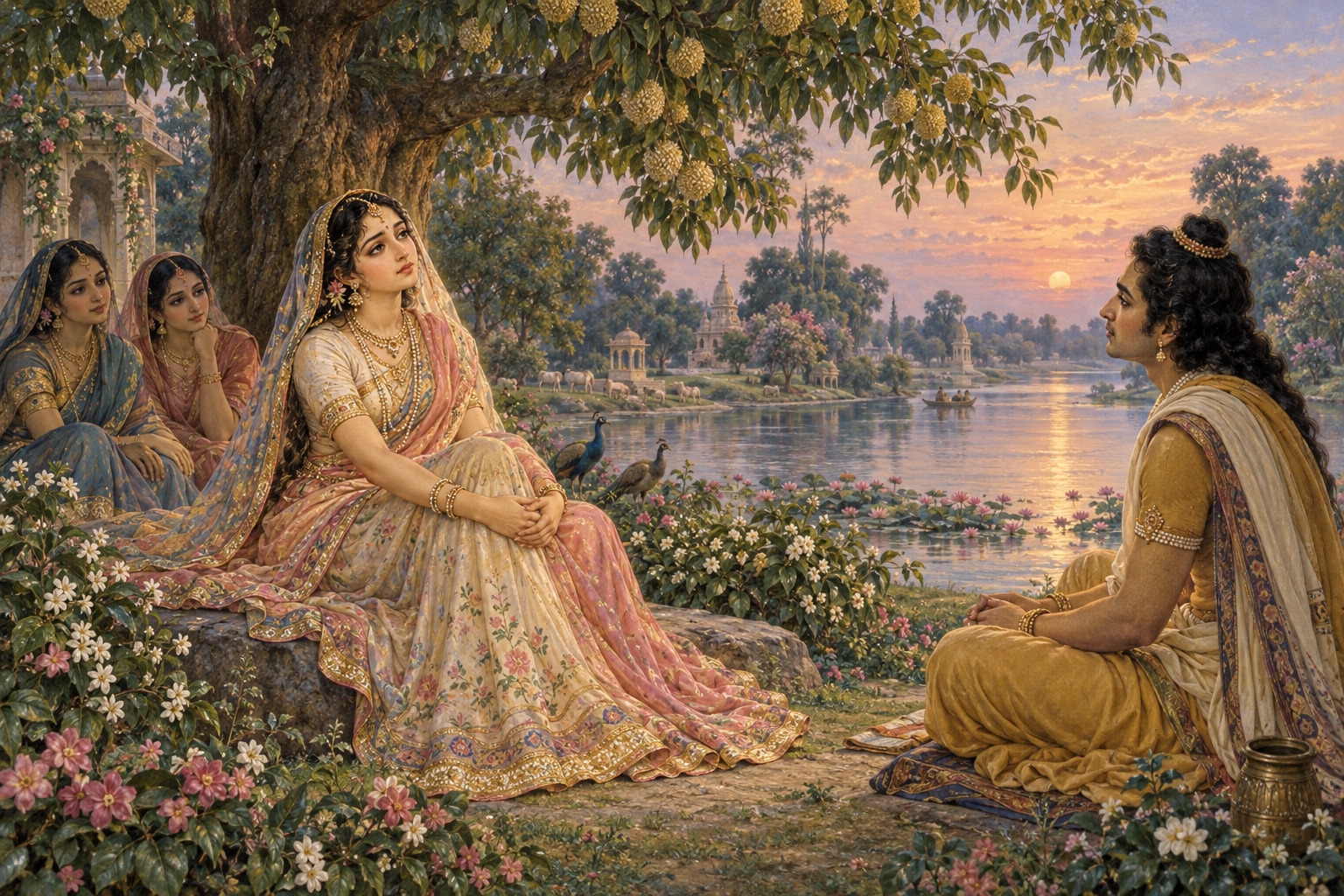
Sometimes even the most beautiful scenes in life cannot comfort the heart. The river continues to flow, flowers bloom on the trees, and the moon scatt
Read essay →1 August 2025 · Dr. Rajesh Takyar
Does the Soul Act?

Soul does, not does
ButMany people often say that it is not right to say that soul does, but it is right to say that it does. Which is not appropriate. In the Vedas, Shastras and Upanishads, the soul has been described as masculine. Even in Sanskrit language, soul has been described as masculine. First of all let us examine the word soul in the context of the Vedas:
अनच्छाये तुरगातु जीवमेजद ध्रुवं मध्य आ पस्त्यानाम्.
Jeevo mritsya charati svadhabhirmartyo mrityena sayonih
(Rigveda 1.164.30)
YYes but It has been said that अनच्छे तुरगातु जीवमेजद If we break it down, it will be called Anachhaye + Turagatu + Jeevam + Ejat. In this the word 'Jiva' has been used for soul and 'Ejat' has been used for movement. इजत धातु: √इज is ijati, which means to walk, to move, to move. Lakar in it is Lat (present tense), Purush in it is first person, singular, Linga in it is masculine verb. Thus, the answer to this question is that the soul moves and not that the soul moves. The words Esh and Sah, which are masculine gender, have been used at many places in Rigveda and Yajurveda. Nowhere in the Vedas is the soul described as a feminine gender.does Not as stated.
Seventh Brahmana of Brihadaranyaka Upanishad Chapter 3 states:
Esh te atmantaryamamritah;
orNi Esh – This soul (masculine); नित्यः – is continual; Mahimaan – is great; Aatma – Soul. Here also eshah has been used for the soul, not the feminine gender sa or esha not.
There is a mantra on number 18:
Na jaayte mriyate wa kadachinnayam bhootva bhavita wa na bhuyah.
Ajo Nityah Shashwatoyam Purano Na Hanyate Hanyamaane Shaaree.
(Kathopanishad 1.2.18)
EIf the word is separated in स, then ayam – this (soul); Ajo – Unborn; नित्यः – everlasting; शावतः – शावतःः; Puraṇaḥ - the ancient period; Na Hanyate – is not killed; Haneymane - Even if the body is killed. Here also there are masculine words like ayam, nitya, shasvatah.
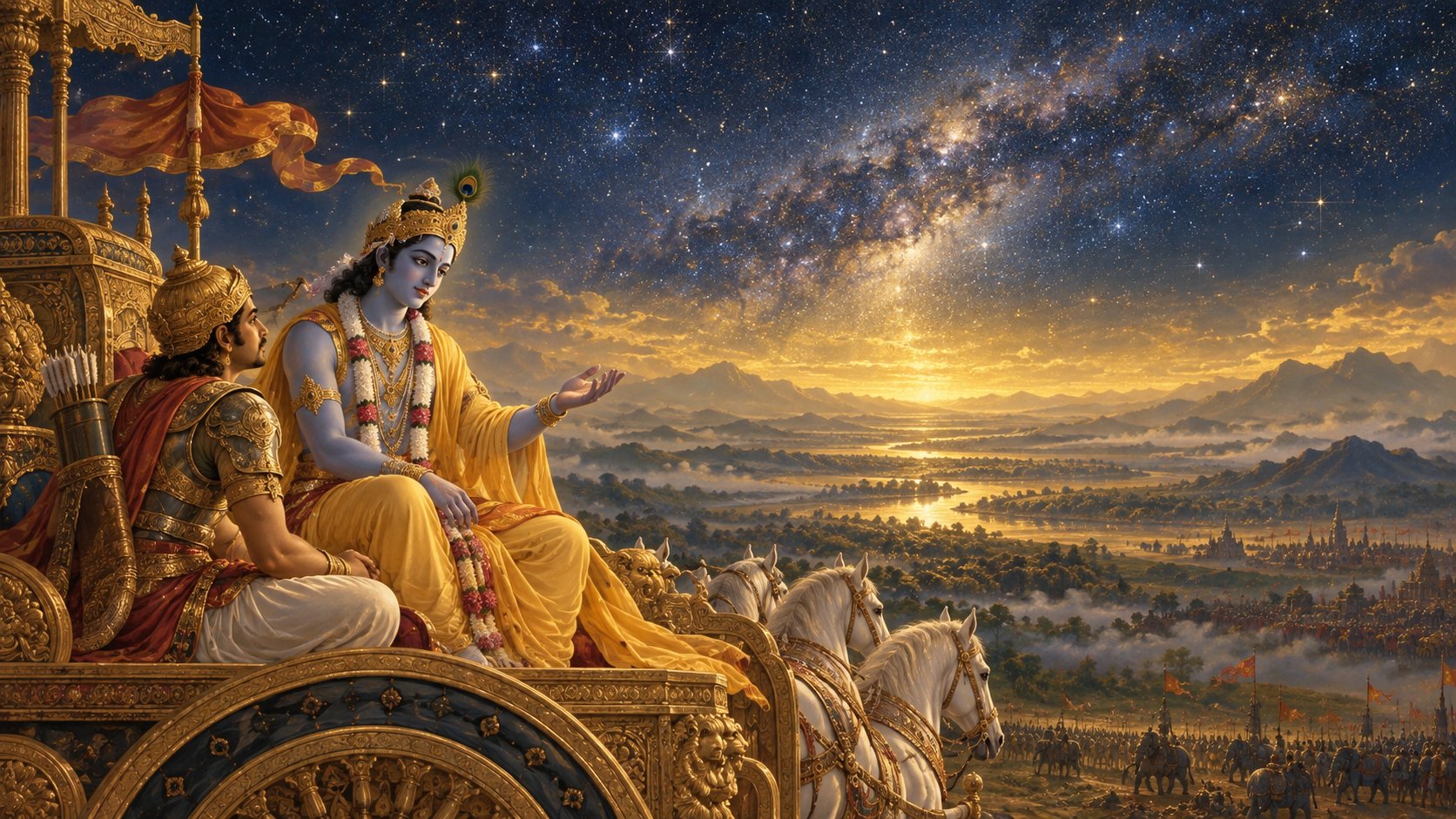
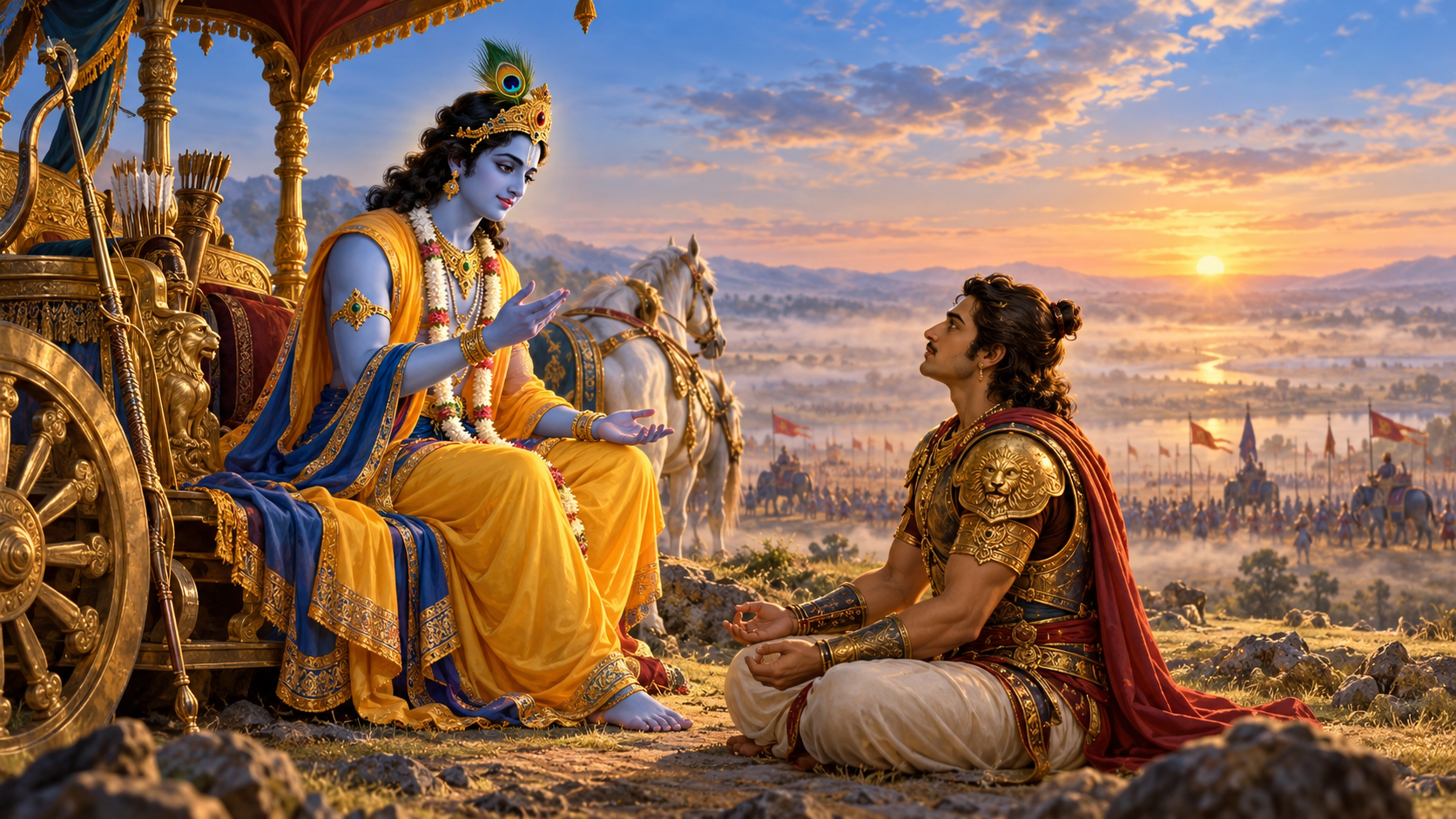
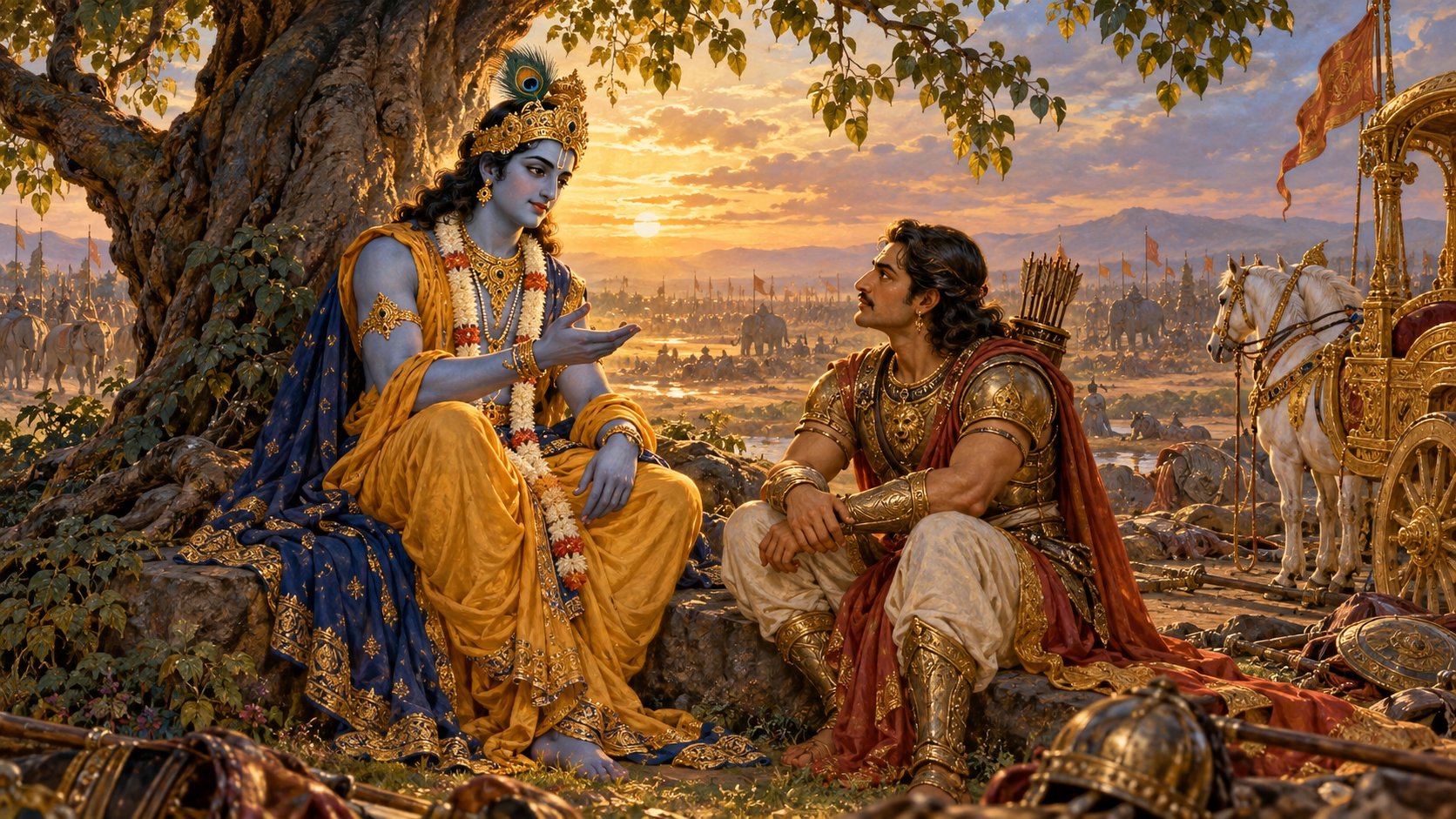
Further in Srimad Bhagavad Gita also Lord Sri Krishna says:
Na jaate mriyate va kadachinnayam bhootva bhavita va na bhuyah
(Srimad Bhagvad Gita 2.20)
AThat is, this soul is neither born nor dies. Here also Nayam i.e. Na+Ayam masculine gender has been used for the soul. In the same second chapter itself, in verse number 17, it is said: Yes, in verse number 17, the soul is It has been described as indestructible and the word
Avinashi tu tadviddhi yen sarvamidam tatam.
Vinashamavyayasyasya na kaschitkartumarhati.
(Shrimad Bhagavad Gita 2.17)
Vasansi Jirnani Yatha Vihayanvani Grihnati Naro'Parani.
And shariarani vihay jeernanyani sanyati navani dehi.
(Shrimad Bhagavad Gita 2.22)
thisYes, but in verse number 17 the soul has been described as indestructible andyen has been used which is masculine. Further to this, in verse number 22 also the word 'dehi' has been used which is a male pronoun. Anyway, the soul has been called a doer, that is, I (the soul) does it, it does not mean I do it.
आत्मा is masculine. Wherever soul is mentioned in the Vedas and Upanishads, soul is referred to in the masculine gender only. The classical gender of the soul is masculine such as Esha, Ayam, Nityah, Sa, etc. The soul does, that is, it comes in the form of object, like Grihnati, Vihay or Sanyati etc.
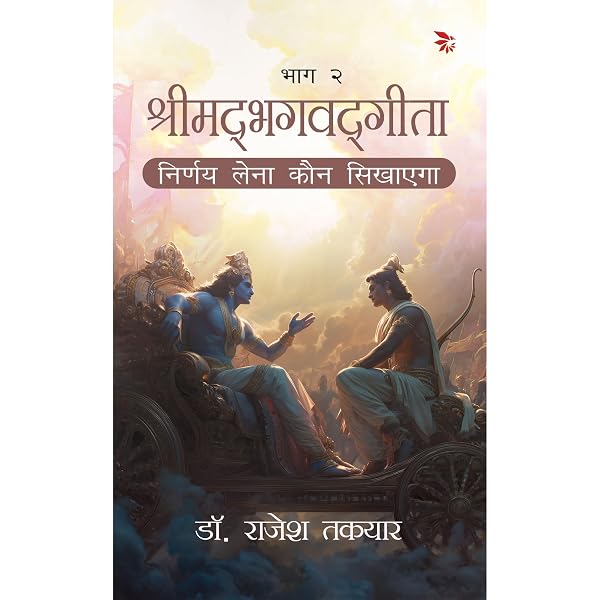
Shrimad Bhagavad Gita — Part 2 Excerpts from the book (Author Dr. Rajesh Takyar)
Was this essay helpful?