5 November 2026 · Dr. Rajesh Takyar
Turning Respect into Action
Let Reverence Reach Our Hands
We may possess beautiful words of respect and praise a book, teacher or worthy idea. A question still remains: what relationship has that regard formed with our work? The discussion of physical discipline in Part 17 of the Shrimad Bhagavad Gita brings me toward this connection. Respect appears alongside cleanliness, simplicity, restraint and nonviolence. Reverence becomes more than an inward feeling; it can appear in conduct through the body. What our hands do can also become its language.
In my explanation of verse 14, discipline centres on pure and ordered conduct rather than displaying severity by tormenting the body. This matters because the word austerity may turn our thoughts toward extraordinary difficulty. Here the ground of everyday conduct is also present: how regard is expressed, how surroundings are kept and what discernment directs desire. These questions reveal a practical form of discipline. Its meaning opens within life.
I find a meaningful meeting of reverence and responsibility here: let my conduct approach what I value. If I respect knowledge, let that connect me with the work of learning. If I value service, let me examine whether I dismiss a necessary task as someone else’s concern. These are questions for my conduct, not new rules replacing the verse. The central idea asks where inward acknowledgement reaches outward life. If it never reaches ordinary action, it is useful to reconsider the nature of our regard.
Putting a book back in its place, arranging a shared study space after use or offering help can be small occasions for this. They involve no great display, yet can honour another’s labour and the things we have used. I am not making these examples the complete definition of spiritual practice. They simply help explore why reverence need not remain distant from the body. Letting the body participate in appropriate work gives us a more attentive view of everyday tasks.
From Humility Toward Learning
The verse mentions honouring the divine, the learned, teachers and those of wisdom. In my explanation I also open this worship toward respect, humility and service; completing an outward act does not exhaust its meaning. Our attitude toward the knowledge we approach matters. An advance claim to completeness can narrow the opportunity to learn. Humility clarifies that we are present not merely to display knowledge, but also to receive something.
Respect for a teacher or person of wisdom does not end our responsibility. Understanding what is heard and considering its proper expression in conduct remain our work. Reducing respect to proximity or repeated praise can leave out the labour of learning. I find more meaning in a regard that takes the subject seriously, states questions clearly, cares for what has been understood and does not evade needed correction. Humility expressed through the body can be one sign of this readiness.
It is useful to examine pride here too. Does a small necessary task feel beneath my standing? Am I comfortable with the language of respect yet reluctant when service becomes practical? People’s capacities and responsibilities differ, so there is no need to hurry to assign work to others. The first question concerns my part: am I avoiding something I can properly do merely because of my image? Discipline can reach this subtle place in conduct.
For young people, this connects naturally with education. Reading, revisiting written work, practising and correcting weaknesses require the presence of body and time. Respect for knowledge can be expressed in that presence: patience to study alongside praise for a subject. This promises no particular examination result. It concerns an honest relationship with effort. Making room in the day for the learning we value can be a truthful beginning of that regard.
Cleanliness and Straightforward Conduct
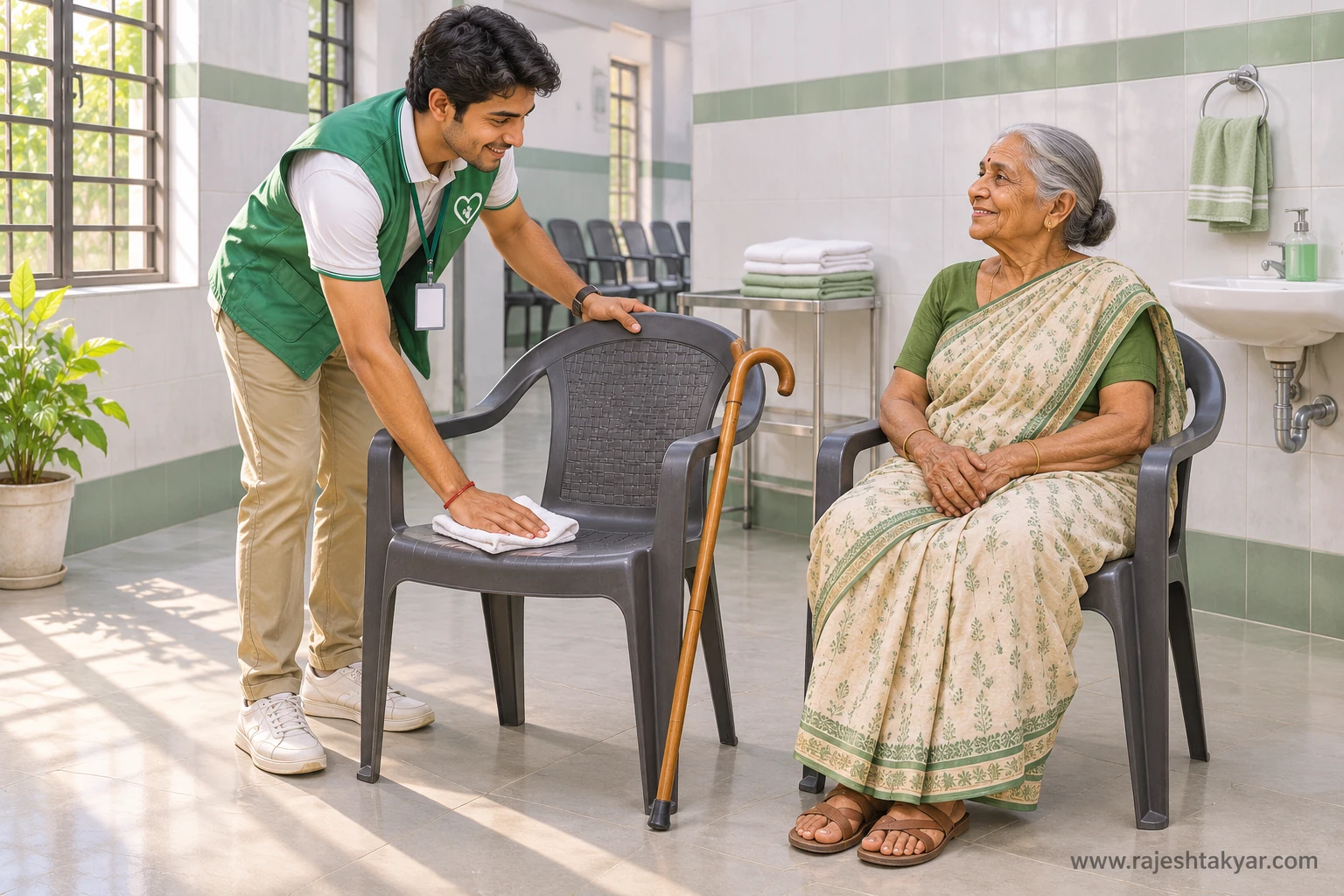
I connect cleanliness with the body, surroundings and purity of conduct. It seems insufficient to confine it to visible decoration. Responsibility toward a place we use also appears: in what condition do we leave it for the next person? This small question of shared life can reveal humility and order together. Caring for a space after use can be done without waiting for praise. The work carries its own meaning.
This also includes noticing another’s labour. A place found clean reflects someone’s work. Taking that for granted and leaving it neglected differs from honouring the effort. I do not wish to judge a person’s life without knowing their circumstances. The question concerns the opportunity available to us: where we can maintain order, let it become cooperation. Speaking of service while overlooking the dignity of those who serve leaves our regard incomplete. Respect needs to enter relationships too.
Straightforwardness gives cleanliness a direction in conduct: reduce the distance between inward intent and outward action, avoid trapping others through deceit, and work plainly. My explanation in Part 17 relates these qualities to bodily conduct. Beautiful expressions of reverence cannot be enough if manipulation continues in our behaviour. Keeping purpose clear and not misusing another’s trust can belong to this practice. Simplicity can be examined in our dealings and cooperation.
Simplicity need not mean vagueness. Clearly stating our responsibility, available time and actual progress can also express straightforward conduct. If something remains unfinished, it can be named and the appropriate next step considered. Work then stays connected to its real condition. These examples are practical reflections, not a new translation of the verse. The central idea places cleanliness and simplicity together, opening an opportunity to examine consistency between statement and action alongside outward order.
Let Restraint Give Direction
My explanation of restraint is not confined to the control of one tendency. It considers the senses, the proper use of our capacities and conduct within due bounds. This wider meaning matters. A desire arising and immediately following it are not the same act. We can consider the direction of a choice before us. How closely are our activities related to a purpose we have accepted? Restraint allows us to examine a day for the room it gives meaningful work.
This does not ask for hostility toward the body. Throughout the discussion, the body is considered an instrument of proper conduct. Unnecessary severity toward what participates in service, study and appropriate action can move away from that purpose. I want to view discipline as caring for the direction of effort. It can include not allowing every small attraction to carry away all our time. Practising the ability to return to chosen work finds meaning here.
A student faces an unfinished lesson and must sit with it, return to the difficulty and bring attention to the subject. Someone learning new work similarly gives time to practice. These ordinary examples seem close to a constructive meaning of restraint: remaining available for what we value. Stopping ourselves from something does not describe the whole purpose. We must also examine what enters the space that becomes available. Learning and useful effort can find their place there.
Recognizing our limits also belongs to restraint. Enthusiastically accepting something we are not in a position to complete can later complicate our own and another’s work. Understanding our part clearly and arranging a proper order for fulfilling it therefore matter. No single measure can be prescribed for everyone. Yet we can maintain a dialogue between purpose, capacity and conduct. This is the room Part 17 gives me for examining desire and directing action.
Respect Completed Through Nonviolence
Nonviolence is an important part of this physical discipline. The book explains it through avoiding injury in action and unnecessary harshness, relating it to compassion. Reverence in worship alongside indifference to another’s suffering calls for a further examination of conduct. Bodily actions reach other people too. Attentiveness to that effect carries reverence beyond private feeling, allowing what we inwardly honour to touch outward life.
Working with someone can make the questions direct. Am I placing the whole burden of my convenience on another? Am I using strength or authority to diminish them? Can necessary work be done calmly and respectfully? Each situation requires its own answer, but preserving room for the questions matters. Nonviolence then extends beyond avoiding a major violent act toward reducing unnecessary injury within ordinary conduct.
The qualities of physical discipline thus connect with one another. Humility makes room for learning; cleanliness brings use and responsibility into view; simplicity keeps conduct straightforward; restraint directs effort; and nonviolence preserves another’s dignity within it. Treating them as separate words of praise seems insufficient. We can examine one actual task for the qualities present and those still needed. A small opportunity for improvement can bring the thought into life.
For me, turning respect into action means giving reverence a proper place in ordinary life: reading the book we value, working for the knowledge we honour and considering our appropriate part in the service we praise. We can devote time to learning, education and meaningful work while attending to others’ dignity. Physical discipline in Part 17 directs my attention toward this relationship. When inward feeling reaches hands, conduct and responsibility, respect can find a language of living alongside its language of speech.